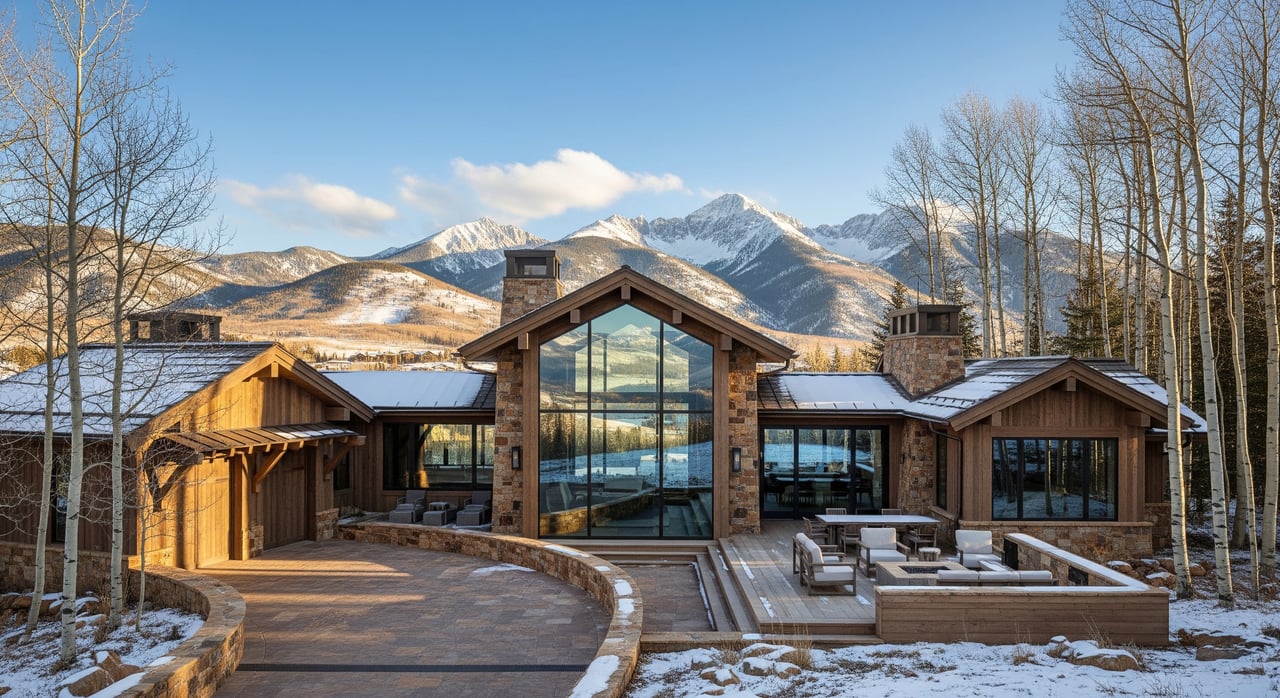
Cordillera’s Golf and Outdoor Lifestyle Year-Round
February 12, 2026
February 12, 2026
Ever wonder what it really feels like to call a private mountain community home all year? If you are picturing crisp ski mornings, long summer twilights on the fairway, and a quieter shoulder season to recharge, you are on the right track. Cordillera in Edwards, Colorado offers a four-season rhythm that mixes outdoor access with a club lifestyle and practical conveniences nearby. In this guide, you will see how life flows through each season, what amenities residents value, and the logistics to plan for before you make a move. Let’s dive in.
Cordillera is a private, gated residential community in the Edwards area of Eagle County, ZIP code 81632. You sit within the broader Vail Valley, with Edwards providing everyday services and nearby resort access in Beaver Creek and Vail. Club and HOA governance manage community-level services like security and some maintenance, while Eagle County provides many municipal and emergency services.
Air travel options include Eagle County Regional Airport for regional flights and Denver International Airport for long-haul routes. Seasonal flight schedules and drive times vary with weather and traffic, so plan ahead and check conditions, especially in winter.
Winter is about access to alpine skiing at nearby resorts, quiet neighborhood streets after fresh snowfall, and a steady cadence of club and social events. Many residents split time between downhill days and lower-key activities like snowshoeing, Nordic laps if trails are groomed, and indoor fitness. Daily life includes snow removal planning, winter driving awareness, and a bit more time budgeted for errands when storms roll through.
Heating needs are higher and weather can briefly disrupt travel, so you will want reliable home systems and flexible flight plans in peak storms. Ask the HOA how snow clearing works on community roads and what is owner responsibility for driveways and walkways.
Spring brings longer days, melting snow, and quieter venues in the valley. Lower-elevation trails open first, which makes it a great time for hikes and early-season biking. Golf openings can vary by snowpack and year, while fly fishing often improves as runoff stabilizes and lakes and ponds become more productive.
Expect muddy sections on trails and limited access at higher elevations until the snowpack recedes. This is also a practical season to schedule property maintenance, tune gear, and plan summer projects before visitor numbers peak.
Summer is an active, social season with families, friends, and guests filling calendars. Golf and practice time, hiking, mountain biking, horseback riding, pool days, and fitness programs shape the weekly routine. Many residents take advantage of stocked ponds or nearby river access for fishing and enjoy outdoor dining with long daylight hours.
Wildfire awareness is part of responsible mountain living in summer. Stay current on any local restrictions, follow property-specific defensible space guidance, and review community communication plans so you are ready if conditions change.
Fall is a favorite for many year-round residents. Temperatures are mild, leaf viewing is stunning, and trails are less crowded. Fishing remains steady, and resort areas feel more relaxed. It is also a great time to prepare your home for winter, from servicing heating systems to organizing snow removal plans before the first storm.
If you explore surrounding public lands, be mindful of hunting seasons and posted notices. Trail etiquette and awareness help keep everyone safe and comfortable during this transition period.
Cordillera is known for a strong golf identity supported by club programming like instruction and league play. Exact course details, practice facilities, and seasonal calendars should be confirmed directly with the club. If golf is a key driver for you, ask about member tee time policies, guest access, and junior or beginner-friendly options.
Many mountain club communities offer groomed Nordic loops, snowshoe routes, and winter trail maintenance. Confirm with the club or HOA which trails are groomed in winter, where equipment rentals or lessons might be available, and what etiquette applies for walkers, skiers, and pets. In warmer months, resident-favorite loops and connectors make it easy to get a daily hike or ride in without leaving the neighborhood.
An equestrian center is a hallmark amenity in many high-country communities. If horseback riding or boarding matters to you, verify the types of facilities available, seasonal programs, and how trail access works from the barn. Ask about lessons, summer camps, and any rules that affect guest riders.
Private ponds, lakes, or exclusive stretches of water can be a standout feature. If fishing is on your shortlist, confirm whether residents can access stocked ponds or nearby river segments, what licensing and catch rules apply, and how guests are accommodated. For broader options, check where public access points are located outside the gates.
Year-round clubhouses often blend social events, meeting spaces, dining, and wellness facilities. Look for a fitness center, pools, spa services, and racket courts like tennis or pickleball. Ask about the club culture, from casual family nights to holiday festivities and themed food or wine events, so you can gauge how it matches your lifestyle.
Living in the Vail Valley often means quick access to National Forest or BLM lands. Clarify the closest trailheads, seasonal closures, and any permits you might need before you venture onto public lands. Popular routes vary by ability level, so follow posted guidance and consider starting with lower-elevation options early in the season.
Cordillera homes are typically full private ownership within a gated setting. Club membership, initiation fees, and dues structures vary by type and can change. Before you buy, review current HOA and club documents to understand whether membership is required with a property and what level suits your priorities.
Short-term rental policies are also governed by HOA rules and local regulations. If rental flexibility is important, ask for the current policy language up front so there are no surprises later.
Most owners can expect a mix of HOA dues, potential special assessments, utilities, and property taxes. Fees and inclusions vary, so request an itemized overview when you evaluate a property. If you plan to spend winters here, estimate heating costs and consider efficiency upgrades for comfort and savings.
Internet and cellular coverage can differ across mountain neighborhoods. If you work remotely, confirm provider options and typical speeds at a specific address. Ask how mail and package deliveries are handled in the gated setting so you can set the right expectations for couriers and guests.
Cordillera falls within Eagle County for schools. Confirm assigned schools and any bussing details directly with the district. Healthcare is available through local facilities in the valley, including urgent care, hospital services, and specialists. Verify the nearest locations to your preferred neighborhood within Cordillera and how travel times shift in winter.
For day-to-day needs, residents use Edwards for groceries, dining, and services. Larger shopping and specialty options are available in nearby towns across Eagle County. Many residents keep a winter-ready supply of essentials at home, especially during busy storm cycles.
All-wheel drive or winter tires are common choices for mountain travel. Major routes are maintained by state and local crews, yet small community roads can be slower to clear during active snowfall. If you travel often, compare the convenience of Eagle County Regional Airport for seasonal routes with the broader access offered at Denver International.
Wildfire preparedness, defensible space, and community communication plans are part of responsible ownership. Ask the HOA about current guidance and evacuation protocols. Water rights and irrigation can affect landscaping, and wildlife is part of daily life. Follow food storage and waste rules to protect both animals and neighbors, and review pet policies before you move in.
If your ideal year looks like powder mornings, golden fall hikes, and a summer calendar that blends golf, trails, and relaxed evenings at the club, Cordillera offers a compelling base. The lifestyle is active yet balanced, with shoulder seasons that slow the pace and invite you to enjoy the valley in different ways. The key is planning for winter logistics, confirming the membership structure that fits, and understanding how amenities align with your priorities.
When you are ready to take the next step, lean on a local advisor who knows the micro-markets, the membership nuances, and the seasonal rhythms. For discreet guidance and a clear path to the right property, connect with Tom Dunn.
.
EXPLORE SIMILAR BLOG
August 20, 2026
August 13, 2026
August 6, 2026
July 23, 2026
July 16, 2026
July 9, 2026
July 9, 2026
July 2, 2026
June 25, 2026
Setting the highest standard for client satisfaction, Tom and his team not only helps their buyers and sellers achieve their real estate goals but provide them with a rewarding and enjoyable experience that turns many first-time connections into lifelong relationships.