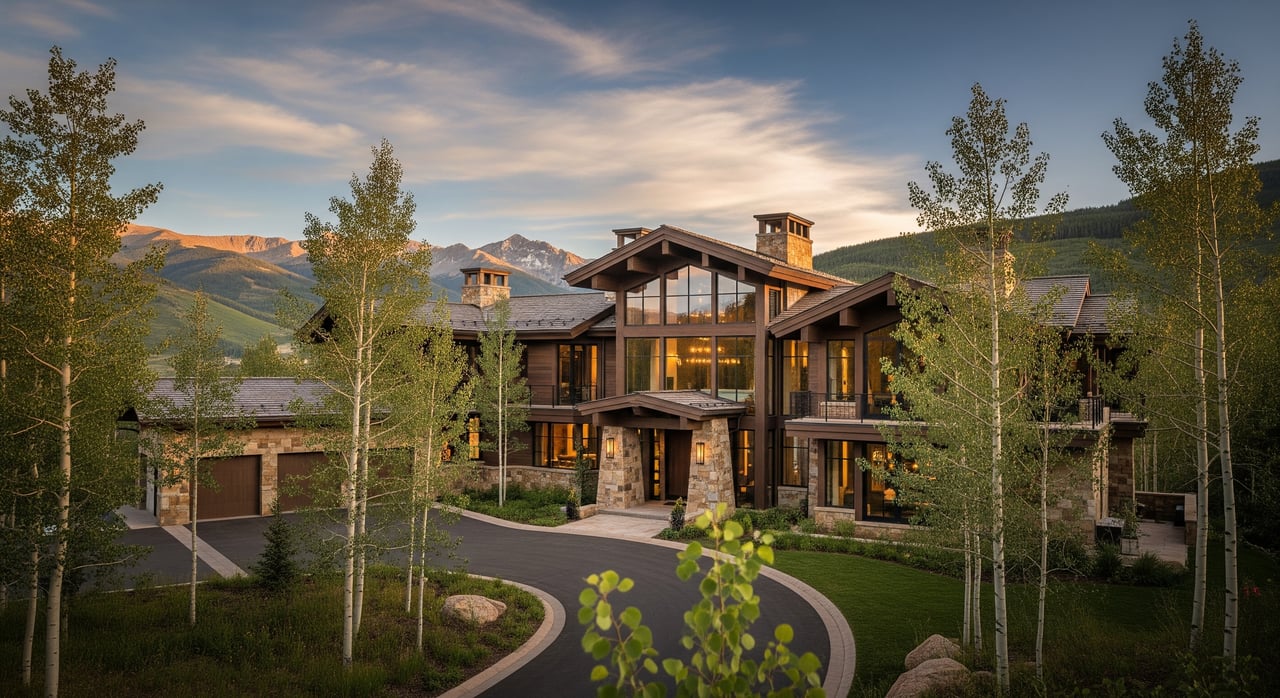
Understanding Edwards Jumbo Loan Requirements for Luxury Homes
January 1, 2026
January 1, 2026
Thinking about a luxury home or resort condo in Edwards but unsure how the financing will work? You are not alone. Many Vail Valley purchases sit above standard mortgage limits, which changes how lenders underwrite and what you need to close on time. In this guide, you will learn what makes a loan “jumbo,” how second homes and resort condos are reviewed, what documents to prepare, and how to plan your timeline in Edwards. Let’s dive in.
A jumbo loan is any mortgage that exceeds the conforming loan limit set each year by the Federal Housing Finance Agency. Conforming loans can be purchased by Fannie Mae or Freddie Mac. Loans above your county’s limit are jumbo and are underwritten by private or portfolio lenders.
Eagle County home values are often higher than the national average. That means many Edwards luxury homes, and nearly all multi‑million‑dollar properties, will require jumbo financing. Because limits change, confirm the current FHFA conforming limit and Eagle County’s specific threshold before you assume loan type.
The practical takeaway: if you are shopping for a high‑end single‑family home, townhome, or resort condo in Edwards, plan for jumbo loan conversations early in your process.
These are larger loan amounts underwritten by national or regional lenders. They follow tighter guidelines than conforming loans and often ask for higher credit scores, larger down payments, and more reserves.
Portfolio lenders hold the loan on their own books. They can be more flexible about condo project quirks, unique income situations, or complex asset mixes. That flexibility can be helpful for non‑warrantable condos or properties with active short‑term rental programs.
Non‑QM and asset‑based options serve high‑net‑worth buyers who want to qualify using bank statements, investment accounts, or asset depletion rather than traditional W‑2 income. These programs still require thorough documentation of assets and ownership.
Adjustable‑rate, interest‑only, and hybrid products can help manage cash flow or tax timing. Terms and pricing vary by lender. Compare options and understand how the payment can change over time before you commit.
Jumbo rates are often higher than conforming because lenders hold more risk. That said, the gap can narrow or even flip depending on market conditions. You should compare offers across multiple lenders to find the best fit.
Lenders classify properties as primary residences, second homes, or investment properties. Each category carries different rules for qualifying, pricing, and reserves. Your intended use and the property’s rental profile drive this decision.
For second homes, many jumbo programs expect at least 20 percent down, with 25 to 30 percent common for higher‑balance loans or non‑warrantable condos. Lenders typically look for higher credit scores on jumbos and second homes, often 700 or above, and sometimes 740 or higher for best pricing tiers. Debt‑to‑income standards vary by program, and portfolio options may allow more flexibility for well‑qualified buyers.
Reserves are funds left over after closing, expressed in months of your total payment, including taxes and insurance. In Edwards, typical patterns look like this:
Very high loan amounts can trigger absolute net‑worth thresholds in addition to months of reserves.
If the property participates in frequent short‑term rentals or a hotel‑style program, many lenders will treat it as an investment property. That can mean higher down payments, more reserves, and different pricing. Some portfolio lenders may still allow second‑home treatment if use and HOA rules fit their guidelines, but they will review the project closely.
For resort condos and planned communities, lenders dig into the HOA’s health and rules. Expect a review of:
Projects with heavy short‑term rentals, high investor concentration, litigation, or weak financials are often considered non‑warrantable.
In the Vail Valley, non‑warrantable status is common in buildings with robust nightly rental activity or complex commercial elements. Plan lender conversations and HOA document requests early to avoid surprises.
Large transfers and concentrated deposits are reviewed closely. Be ready to show a clear paper trail for funds from asset sales, transfers between accounts, or gifts. Keep records organized to save time.
Many Edwards buyers use trusts or single‑member LLCs for privacy and planning. Expect extra documents such as trust agreements, corporate resolutions, and personal guarantees. Some lenders do not lend to certain entities, so you may need a portfolio solution.
For jumbo and second‑home financing, allow 1 to 3 weeks to gather documents and obtain formal pre‑approval. The timeline depends on how quickly you can provide complete information.
Expect 7 to 21 days for project review once the HOA package is complete. Complex or non‑warrantable projects can take longer or require a switch to a portfolio program.
Luxury homes and unique mountain properties often require specialty appraisers and more comparable sales analysis. Appraisals typically take 7 to 21 days and can extend in busy seasons.
Mountain parcels can reveal easements, access questions, or old restrictions during title review. These items must be cleared before closing, so build buffer time into your contract.
The Vail Valley runs on peak seasons. During winter and summer rushes, lenders and appraisers book up quickly. Pad your timeline by 1 to 2 weeks during those periods.
Jumbo financing in Edwards is very doable when you plan ahead. The keys are early lender selection, a clear understanding of how your use and the condo project affect underwriting, and complete documentation. Give yourself a realistic timeline for HOA reviews and appraisals, and confirm reserve and down payment expectations up front.
If you want a smooth path from offer to keys, work with a team that knows the micro‑markets, the condo projects, and the lenders who finance them. For tailored guidance on Edwards luxury homes and resort condos, connect with Tom Dunn. Our concierge, team‑backed approach and deep Vail Valley expertise help you move confidently from pre‑approval to closing.
.
EXPLORE SIMILAR BLOG

October 22, 2026

October 15, 2026

October 8, 2026

October 1, 2026

September 24, 2026

September 17, 2026

September 10, 2026

September 10, 2026

September 3, 2026
Setting the highest standard for client satisfaction, Tom and his team not only helps their buyers and sellers achieve their real estate goals but provide them with a rewarding and enjoyable experience that turns many first-time connections into lifelong relationships.