Thinking about buying a place in Arrowhead and renting it for ski season? You want a mountain home that feels like a retreat and performs like an investment. In this guide, you will learn the key drivers of short-term rental performance in the Arrowhead area of 81632, how seasonality affects bookings, why shuttle and lift access matter, how HOA dues impact profit, and a simple framework to run ROI. Let’s dive in.
Understand seasonality patterns
Mountain markets tend to follow a clear rhythm. Use this as a baseline while you collect local data for Arrowhead.
- Peak winter: December through February, with holiday weeks and Presidents’ Day often strongest.
- Shoulders: November and March or April can soften unless supported by events or spring skiing.
- Summer strength: June through August can deliver a strong secondary peak from hiking, fishing, and festivals, often with high occupancy at slightly lower rates than winter.
- Slow periods: May and parts of September to October, aside from foliage weeks or special events.
Local demand drivers to confirm
- Proximity to the nearest ski area and any shuttle options. Frequency and convenience push rates and midweek occupancy higher.
- Year-round draws like parks, lakes, and festivals. These help flatten seasonality and smooth cash flow.
- Regional travel behavior from the Front Range. Weekend-heavy bookings can change pricing and minimum-night strategy.
- Monthly STR metrics for the specific micro-market. Look at occupancy, ADR, active listings, and length of stay for the past 2 to 3 years.
What drives nightly rates
A few practical features tend to move both ADR and occupancy in mountain communities.
- Proximity to lifts or shuttle stops. Walkable access often earns a premium.
- Unit type and layout. Townhomes with private entries, garages, and multiple baths attract families and command higher ADRs. One-bedroom condos appeal to couples.
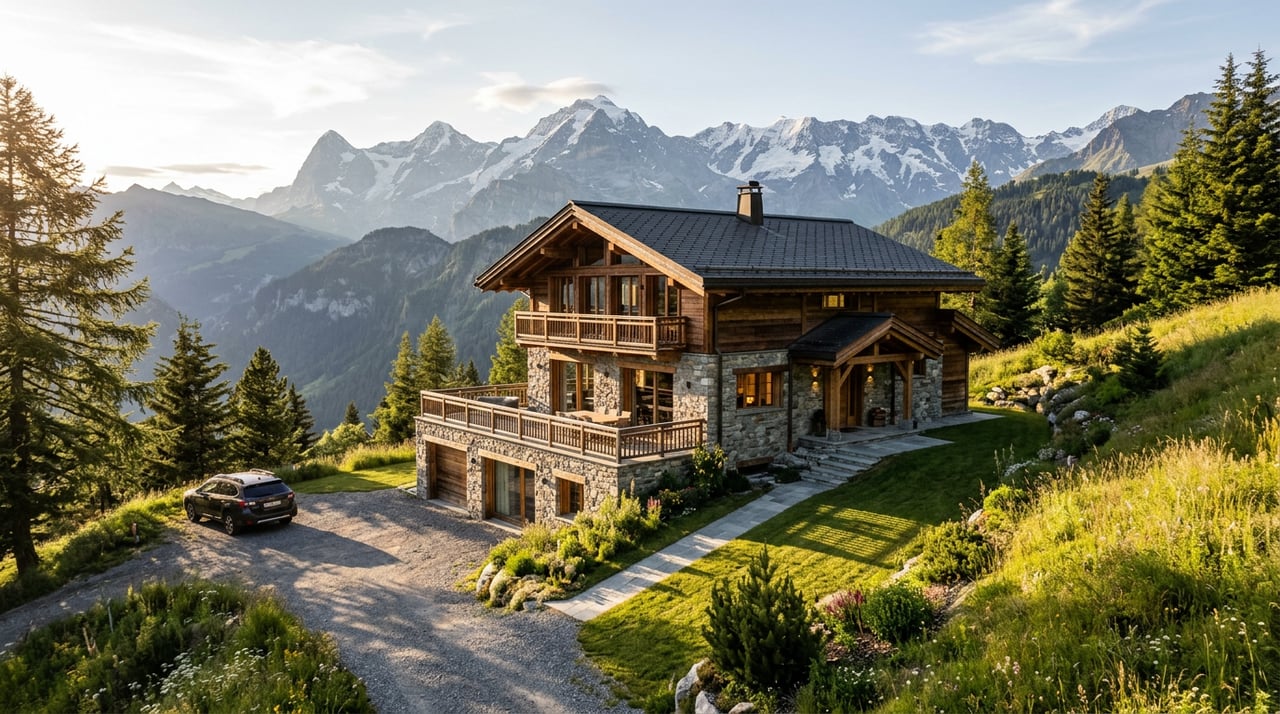
- Views and orientation. Mountain or valley vistas can raise rates.
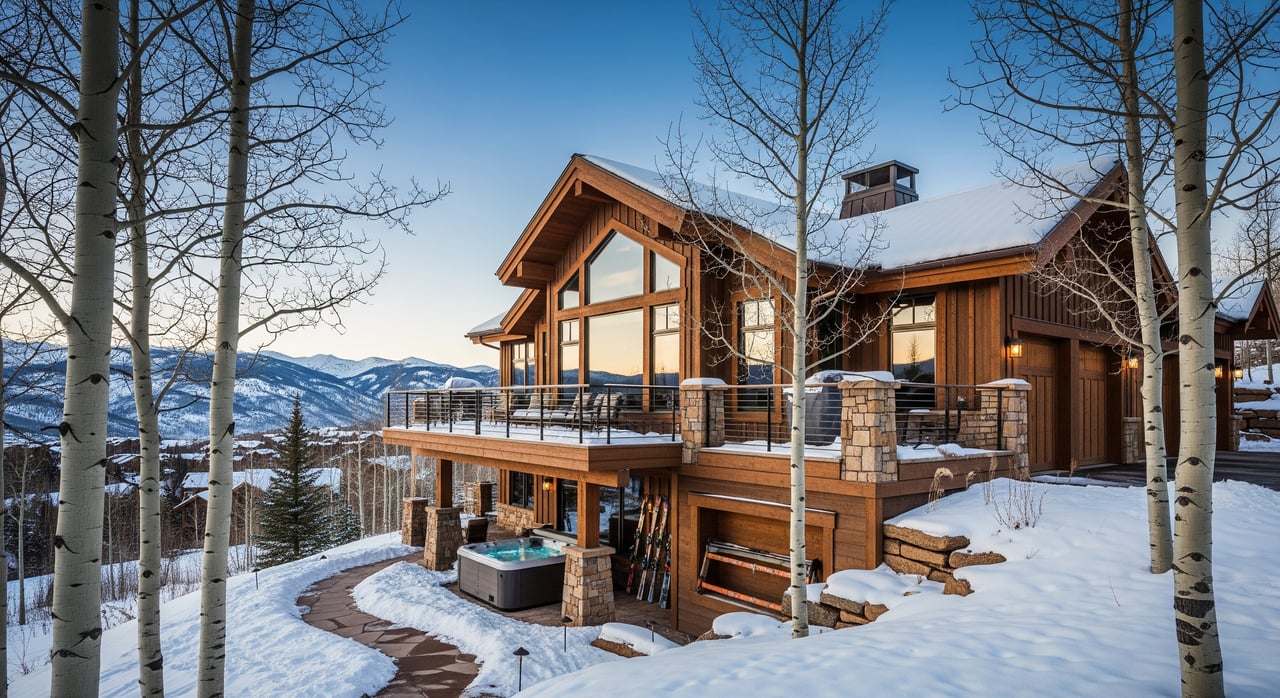
- Amenities. Private hot tub, fireplace, covered parking, washer and dryer, well-equipped kitchen, and reliable high-speed Wi‑Fi.
- Pet policy. Pet-friendly homes can lift occupancy and allow pet fees.
- Sleep capacity and bedding mix. More beds support higher nightly rates, though cleaning and wear costs can rise.
- Winter-friendly touches. Gear storage, ski racks, drying setups, and covered parking improve guest experience.
Shuttle, walkability, and value
Convenient transportation is a revenue lever.
- Direct access or frequent shuttles increases ADR and fills midweek nights.
- Confirm the seasonal shuttle schedule, frequency, and whether the HOA supports a stop.
- Check guest parking rules. Limited parking can deter groups and lower occupancy.
HOA dues and assessments
HOA costs are a major line item in your pro forma. Understand what they include and how they change NOI.
- Typical inclusions: building insurance, snow removal, landscaping, pool or spa maintenance, transportation subsidies, reserves, and sometimes utilities like water, gas, trash, or cable.
- Investor impact: higher dues reduce cash-on-cash returns, but included utilities can offset owner-paid expenses.
- Assessments: review HOA financials and meeting minutes for reserve health and any special assessments.
Taxes and insurance
- Expect lodging or tourism taxes to apply. These are collected from guests and remitted by owners or managers.
- STR insurance can cost more than standard landlord policies.
Choose a management model
Your management path drives both revenue and time commitment.
- Self-management: Lower fees and full control, but time intensive for guest messaging, turnovers, and maintenance.
- Full-service local manager: Commonly 15 to 45 percent of rental revenue. Includes marketing, dynamic pricing, guest communication, check-in and out, cleaning coordination, maintenance, and tax remittance.
- Hybrid or co-host models: Often 10 to 20 percent for pricing, listing optimization, or on-the-ground support while you handle marketing.
Tip: Model fees as a percentage of gross rental revenue and confirm what services are included.
A simple ROI model you can run
Start with conservative assumptions and stress-test them with best, base, and worst cases.
- ADR: average daily rate before fees.
- Occupancy: nights booked divided by 365.
- Gross rental revenue: ADR × occupancy × 365.
- Add cleaning revenue and other fees if they net to you.
- Expenses: management, platform fees, HOA dues, property tax, insurance, utilities, maintenance and reserves, and cleaning costs. Lodging taxes are remitted from guest payments but still affect cash flows.
- NOI: total revenue minus operating expenses.
- Cap rate: NOI divided by purchase price.
- Cash-on-cash: (NOI minus annual debt service) divided by total cash invested.
Condo vs townhome comparison checklist
Evaluate both guest experience and operating realities.
- Space and layout: sleep capacity, number of bathrooms, private outdoor space, garage, and private entry.
- Gear-friendly design: easy storage for skis and snow gear.
- Sound and privacy: shared walls in condos may affect reviews.
- Access and family needs: stairs, stroller access, and general ease of use.
- Views and light: mountain orientation can lift ADR.
- HOA dues: what is included, from utilities to shuttle support.
- STR policies: minimum nights, registration, and any owner-occupancy rules.
- Parking: guest availability and any permits.
- Reserves and assessments: HOA financials and history matter.
- Insurance differences: master policies for condos vs individual coverage for townhomes.
- Maintenance load: townhomes may have more owner responsibility.
- Revenue profile: townhomes often achieve higher ADRs but can carry higher costs and different resale dynamics.
Your next step
If Arrowhead aligns with your goals, verify STR rules and HOA policies first, then model returns with conservative inputs. When you are ready connect with Tom Dunn.
FAQs
What months tend to be most profitable for Arrowhead ski rentals?
- Winter holiday weeks and January to February are typically strongest, with a secondary summer peak from June to August driven by non-ski visitors.
How do HOA dues affect my Arrowhead rental profit?
- Model HOA dues as an annual expense and note what utilities or services they include since higher dues can materially reduce net operating income.
What should I budget for management and operations?
- Full-service management commonly ranges from 15 to 45 percent of rental revenue, with added platform, cleaning, utilities, maintenance, tax, and insurance costs.
How do lodging taxes influence pricing and demand in Arrowhead?
- Lodging or tourism taxes are typically collected from guests and remitted by owners or managers, so confirm current rates and build them into your pricing.
How do I compare a condo vs a townhome investment in Arrowhead?
- Use a checklist for layout, amenities, HOA dues and rules, parking, reserves, insurance, maintenance, and historical ADR and occupancy by unit type.