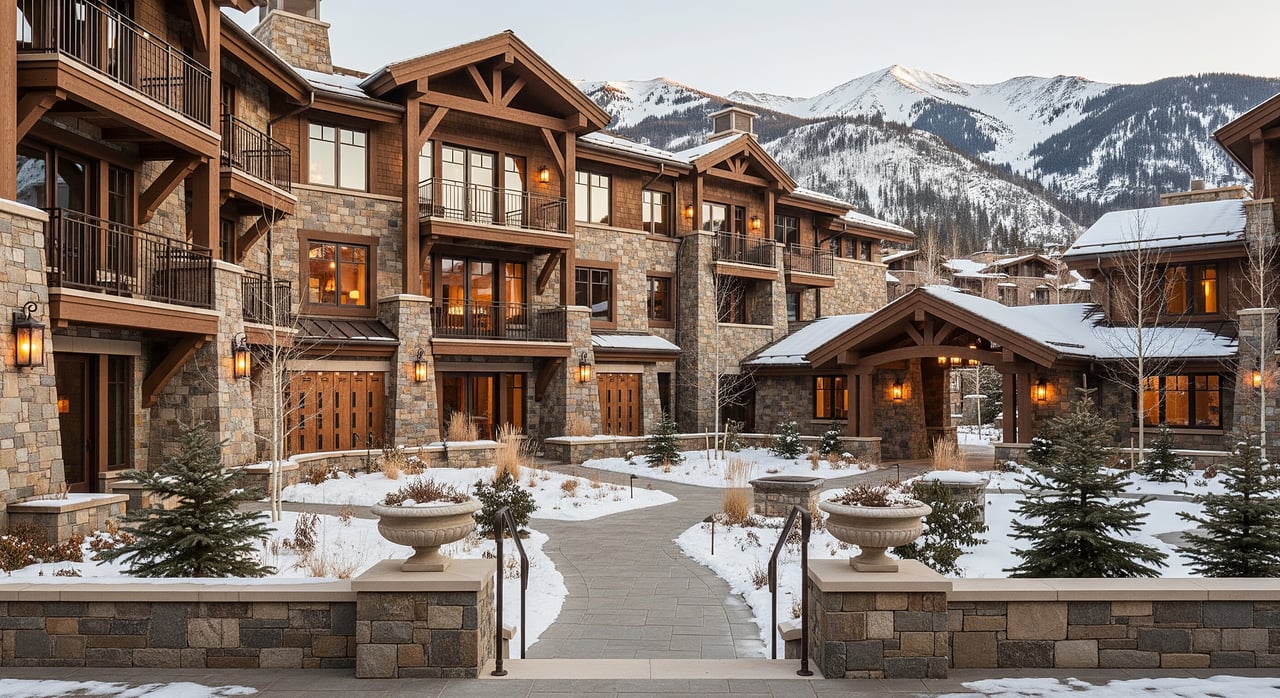
Vail Village Condo HOA Rules, Dues, and Rental Basics
November 27, 2025
November 27, 2025
Buying a condo in Vail Village should feel exciting, not confusing. If you are comparing buildings, the biggest wild card is often the HOA. Rules and fees vary widely from one association to the next, and they can shape your lifestyle, rental income, and long-term costs. In this guide, you will learn what to review, how to compare buildings, and which red flags to watch for in Vail Village. Let’s dive in.
Many Vail Village condos are single-building associations. Larger developments can include a master association with sub-associations for each building. This structure affects how decisions are made and how costs are shared across amenities and common areas.
Associations may be professionally managed or self-managed. Management style often influences response times, maintenance quality, and dues. Ask who manages the building and request the management contract when you review documents.
Colorado’s condominium communities operate under state common-interest community laws. Local Town of Vail and Eagle County ordinances can also affect parking, rentals, and building codes. Your best snapshot of how a building runs still comes from the HOA’s own documents and recent meeting minutes.
You will save time and money by starting with the essentials. Request a complete package from the seller or property manager that includes:
As you read, note the board’s election process, quorum and voting thresholds, and approval steps for alterations. Also confirm how owners access records and how meeting notices are handled.
Vail’s climate and service expectations drive specific budget items. In most buildings, dues commonly cover:
Buildings with high-touch amenities often have higher dues, yet they can enhance rental appeal and owner convenience. Heated sidewalks, underground garages with mechanical ventilation, and older building envelopes can raise both operating and capital costs.
A reserve study outlines major components, expected lifespans, and recommended annual funding. Compare the current reserve balance against upcoming projects and ask how the board plans to fund replacements.
Underfunded reserves are a common risk in older or heavily used mountain buildings. If reserves fall short, owners may face special assessments to pay for elevators, roofs, boilers, windows, or exterior work. Review the history of assessments, the timing of the next capital projects, and whether recent dues increases align with the reserve plan.
Indicators worth noting include the reserve balance per unit, the schedule for large projects, and whether the board is following its own funding policy. Meeting minutes often reveal the most candid discussions about timing and costs.
Rental policies vary widely across Vail Village buildings. You will typically see one of three approaches:
Rental rules directly affect revenue potential, daily wear, and the guest experience in common areas. They also affect financing and resale because some projects may be considered non-warrantable by certain lenders if rental concentrations, delinquencies, or litigation exceed thresholds.
If rentals are permitted, confirm what the Town of Vail and Eagle County require for licensing, safety standards, and taxes, including lodging and sales tax. Processes and rates can change, so plan to verify current requirements before you list or host your first guest. Failure to comply can lead to fines or loss of rental rights.
Seasonality matters in Vail. Winter weeks usually drive the strongest nightly rates, so unit layout, ski access, and amenity quality can shape performance.
Pet policies differ by building. Some allow pets with limits on size, breed, number, or areas of use. Others prohibit pets and only permit service or support animals aligned with federal and state law. Look for deposits or fees, leash rules, relief areas, and any pending changes to the policy.
Amenity packages in Vail Village run from simple to resort level. Concierge or front desk services, heated pools and hot tubs, fitness or spa areas, ski lockers, and private ski valet all add convenience. Higher service levels generally come with higher dues, and they may boost rental desirability.
Parking is often scarce in the core of Vail Village, so confirm whether spaces are deeded, assigned, or leased. Ask about waitlists, guest parking, electric charging options, and any fees. For lifestyle and rentals, confirm ski lockers, owner storage, and proximity to lifts or shuttle service.
Most associations allow interior cosmetic updates with notice. Structural work, systems changes, or anything affecting exteriors usually require prior approval. Expect quiet hours, defined construction windows, contractor insurance requirements, and rules for elevator or corridor use.
Approval timelines can stretch from weeks to months, especially during peak seasons. If you plan a remodel, build this timing into your ownership and rental calendar, and confirm any seasonal restrictions before you close.
Use this quick checklist to compare Vail Village buildings side by side:
Keep these warning signs on your radar as you compare options:
Lenders review condo projects for eligibility. High delinquencies, litigation, or pending special assessments can affect warrantability and loan terms for second homes or investments. Work with a lender who understands Colorado mountain condos and how HOA profiles influence underwriting.
If you plan to rent, check with your insurance broker about coverage differences. You may need landlord endorsements or policies to protect rental activity that is not covered under a standard owner-occupied policy.
The right advisors streamline your purchase and reduce risk:
If you want a low-maintenance mountain base in Vail, the HOA is your operating system. The best fit balances lifestyle, rental goals, and predictable costs. With the right documents, a clear reserve picture, and policies that match how you will use the home, you can buy with confidence.
When you are ready to compare buildings or want a second opinion on an HOA package, reach out. Backed by a concierge team and proven results in the Vail Valley, Tom Dunn can guide you through the details, from document review to negotiation, so you secure the right condo with clarity.
.
EXPLORE SIMILAR BLOG
September 17, 2026
September 10, 2026
September 10, 2026
September 3, 2026
August 27, 2026
August 20, 2026
August 13, 2026

August 6, 2026
July 23, 2026
Setting the highest standard for client satisfaction, Tom and his team not only helps their buyers and sellers achieve their real estate goals but provide them with a rewarding and enjoyable experience that turns many first-time connections into lifelong relationships.