How Mountain Star Avon Off-Market Home Sales Work
March 26, 2026
March 26, 2026
You hear about homes trading hands in Mountain Star without ever hitting the MLS and wonder what really happens behind the gate. If you value privacy, or you own in this ultra-low-velocity enclave above Avon, you want clear answers before you choose a quiet path. In this guide, you will learn why inventory is scarce, how pricing works when sales are rare, when an off-market strategy makes sense, and what trade-offs to expect so you can move forward with confidence. Let’s dive in.
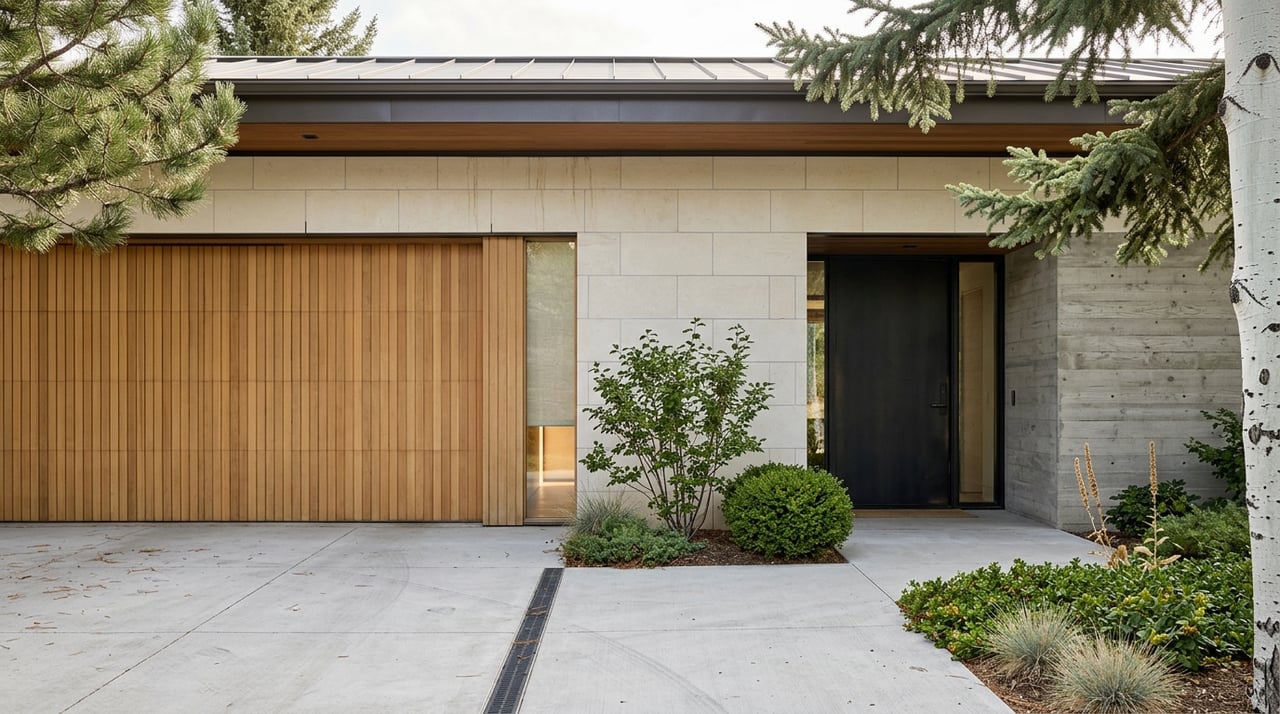
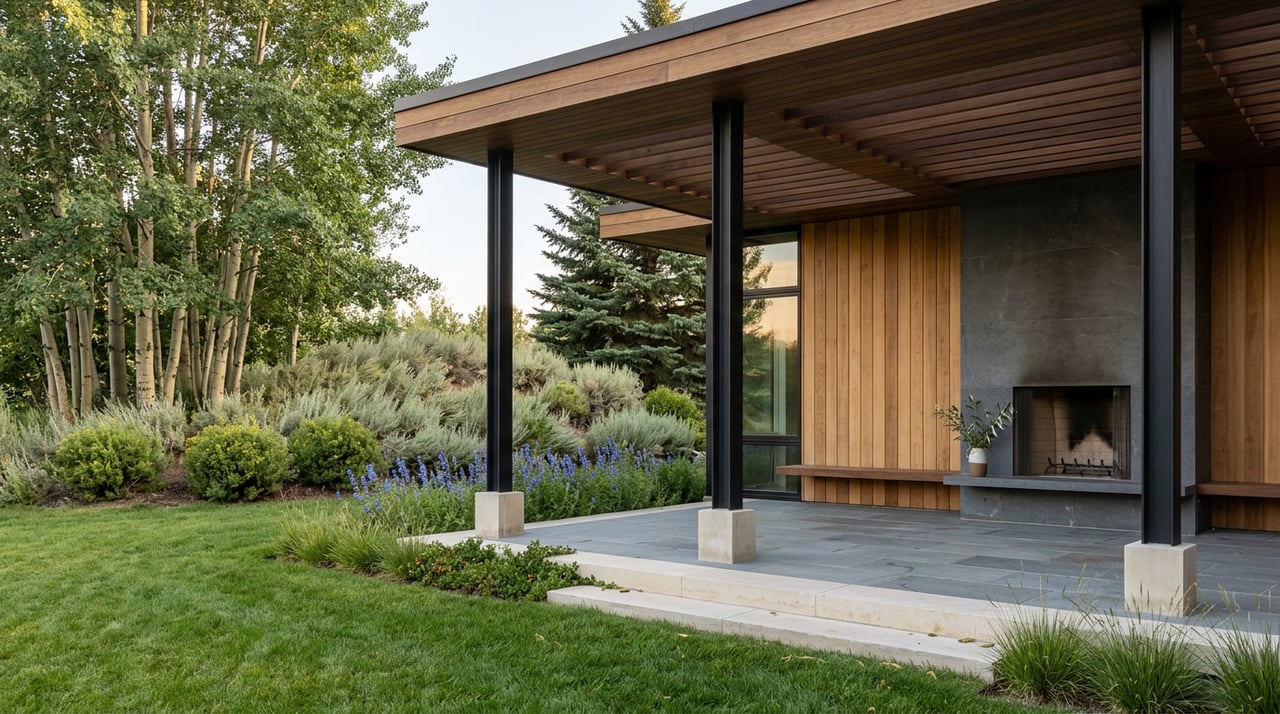
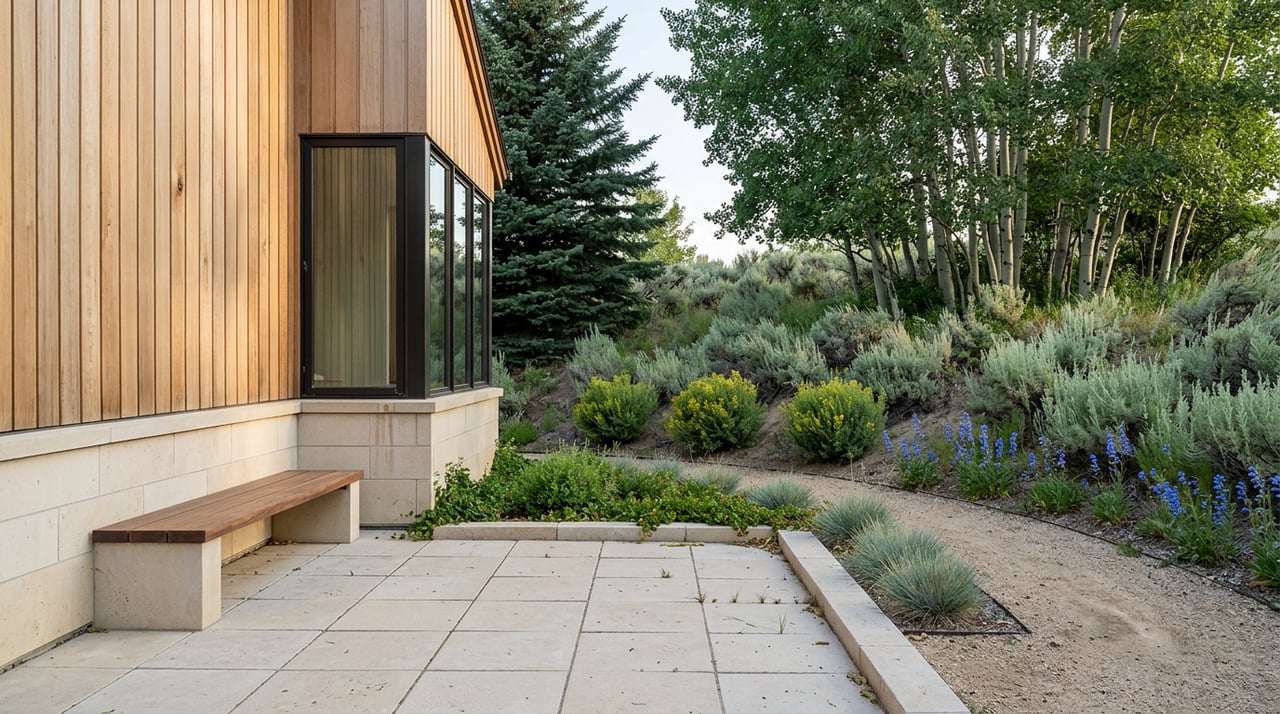
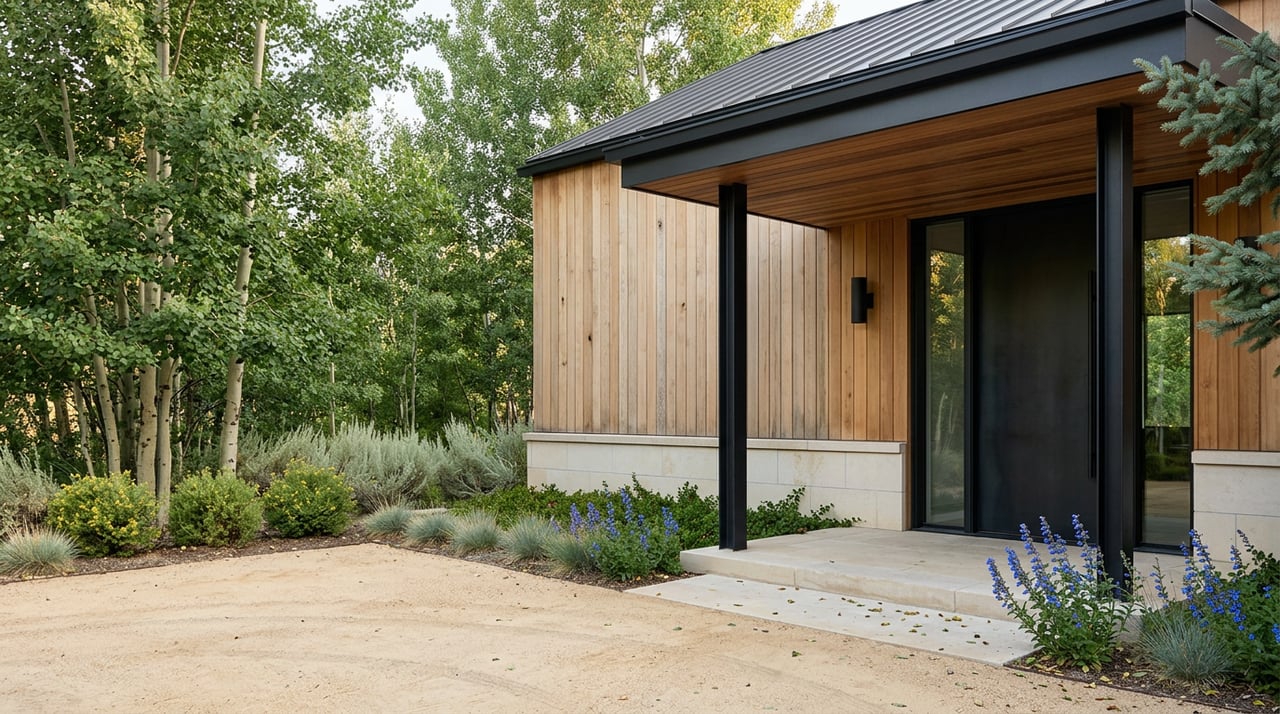
Mountain Star is a gated community perched above Avon, with an on-site gatehouse and caretaker setting a high bar for privacy. The neighborhood was planned for roughly 90 home sites on about 1,300 acres, with most lots in the 2 to 8 acre range, plus private trails and significant open space that shape how homes can be shown and marketed. You can explore an overview of the area on the Mountain Star community page from Vail Valley Lifestyle, which also highlights the setting and amenities that appeal to privacy-minded owners (community snapshot and features).
Carrying costs matter in your planning. Public listing copies for parcels often show non-trivial HOA assessments, and examples indicate quarterly fees in the low thousands. One representative homesite listing shows a quarterly assessment in that range, which can influence a long hold or a decision to sell (homesite assessment example).
Mountain Star’s supply is capped by design. With around 90 total lots on large acreage, the math limits how many homes can trade each year. This structural scarcity keeps annual turnover low (neighborhood facts and planning context).
Owners also tend to hold longer. Many buyers in this tier use the property as a second home or legacy estate. Public records show multi-year gaps between sales for many parcels, which reduces churn in any given year (example of long hold and resale history).
Privacy further narrows public activity. The gatehouse, on-site management, and the expectation of discretion often push sellers toward quiet or limited marketing. Pair that with high price points, and you get a market where listings surface less often and only when motivation is clear.
Real, public transactions confirm Mountain Star’s luxury pricing band, even if the data set is small. Here are representative examples you can verify on broker and portal pages:
On the asking side, current broker pages show live offerings in the 7 to 13 million range, including a representative listing for 275 Wild Rose at 13.25 million. These asks illustrate today’s visible spread, which varies with acreage, improvements, and front-row views (current asking range examples).
Because there are only about 90 lots, every single sale can shift a simple average. Treat these examples as directional context, then anchor pricing with a broader, documented approach.
When annual sales are thin, you should not rely on narrow, recent medians alone. A sound valuation in Mountain Star layers data and documents adjustments:
A smart deliverable is a value range with a confidence band. List the assumptions that move the value lower or higher, such as view corridor quality, architectural age and condition, and outdoor living enhancements.
Mountain Star’s culture of privacy means discreet options often come up in real conversations. National policy now offers clear paths that can fit those needs. In 2025, NAR clarified “Multiple Listing Options for Sellers,” including office-exclusive and delayed-marketing choices. Public marketing still triggers MLS submission deadlines, and sellers who choose a privacy route generally sign informed-consent disclosures. Local MLS rules vary, so you should confirm the exact timing windows in the Vail area (overview of seller options and policy context).
Common, compliant tactics in a privacy-first neighborhood include an office-exclusive within the listing brokerage, targeted one-to-one outreach to vetted brokers and buyers, and address-masked teasers sent only to qualified prospects. The key is to stay within local MLS rules and to document seller consent.
Privacy has a measurable cost on average. Zillow Research studied pocket and off-MLS listings across 2023 and 2024 and found they typically sold for less, with a national median gap around 1.5 percent or 4,975 dollars. Markets and price tiers vary, and luxury areas tend to show a smaller gap, but the direction is clear: fewer eyes often means fewer competing offers (Zillow Research on off-MLS pricing).
Financing and appraisal can also get tricky. With fewer public comps, underwriters may ask for stronger evidence of market exposure or require detailed adjustment support. Appraisal guidance explains when older or out-of-area comps can be used and how appraisers must document marketability and adjustments. If you plan a quiet sale, prepare early for appraisal support and buyer proof of funds (Fannie Mae appraisal guidance on limited data).
Finally, be mindful of fair-housing responsibilities and MLS rules. The compliant path in a privacy-first sale is a documented office-exclusive or a permitted delayed-marketing option, not broad teaser blasts to the public without MLS registration.
Here is a practical, Mountain Star-specific sequence that protects privacy while supporting value and speed:
If you own in Mountain Star, your choices start with clarity. Decide what matters most, then match your strategy to that goal. A quiet sale can protect privacy and still deliver a strong result when the pricing work is rigorous, the buyer list is curated, and the process is documented for appraisal and compliance.
If you are buying, understand that inventory will feel thin by design. A well-prepared buyer with proof of funds and the flexibility to evaluate discreet opportunities will see more doors open.
Ready to talk through a confidential path or a full-market launch that fits your goals in 81620? Connect with Tom Dunn to Request a Confidential Valuation and a tailored plan for Mountain Star.
.
EXPLORE SIMILAR BLOG
August 20, 2026
August 13, 2026

August 6, 2026
July 23, 2026
July 16, 2026
July 9, 2026
July 9, 2026
July 2, 2026
June 25, 2026
Setting the highest standard for client satisfaction, Tom and his team not only helps their buyers and sellers achieve their real estate goals but provide them with a rewarding and enjoyable experience that turns many first-time connections into lifelong relationships.